
-
Boston biotech leader Philip Ashton-Rickardt believes more researchers should take their discoveries beyond the laboratory and into the real world, where they can improve lives.
Massachusetts, USA, Jul 10, 2026, ZEX PR WIRE — Philip Ashton-Rickardt, Managing Director and Chief Scientific Officer of BE Therapeutics, is encouraging more scientists to consider entrepreneurship as part of their career journey, arguing that the next generation of medical breakthroughs will depend not only on scientific discovery but also on the people willing to transform those discoveries into real-world treatments.
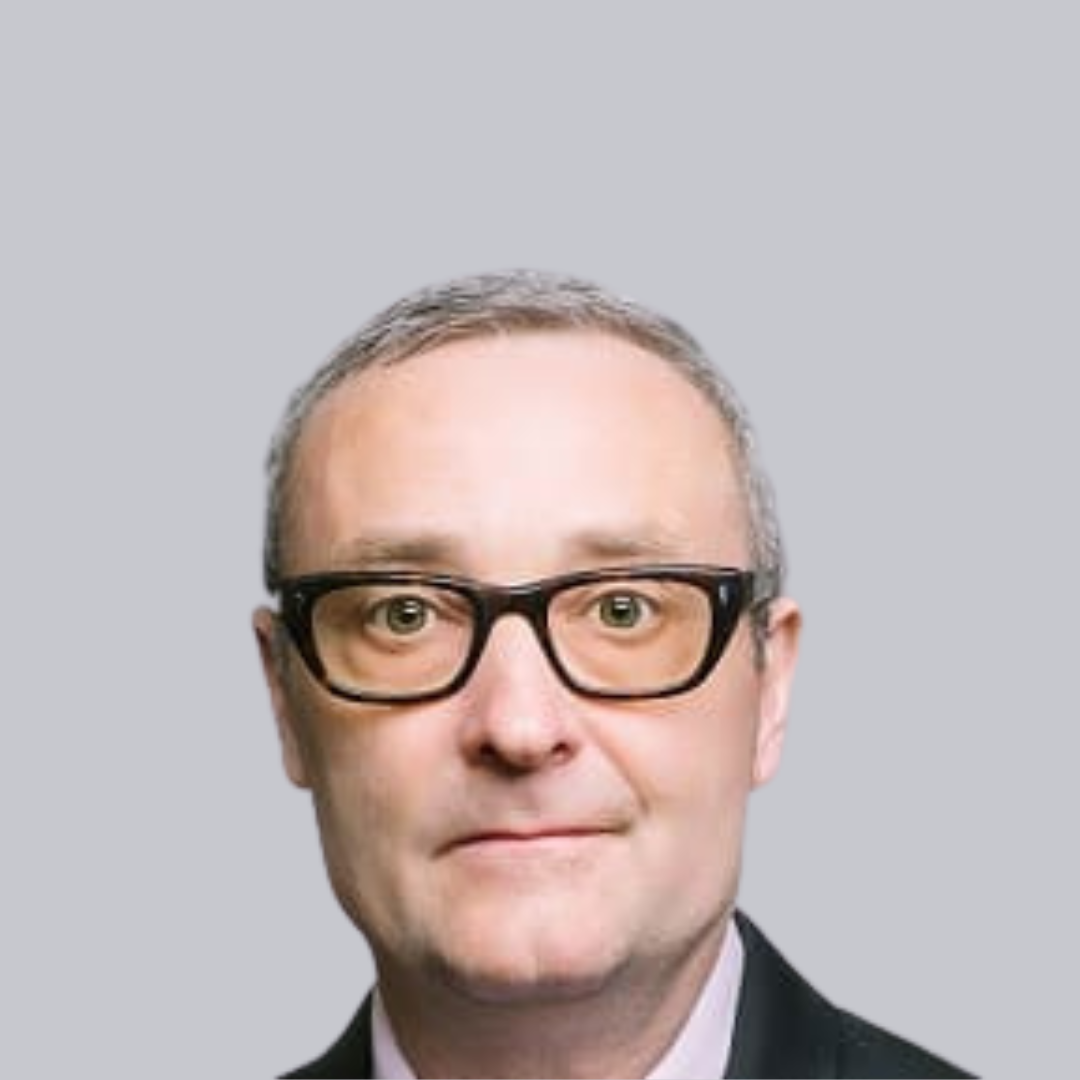
After more than two decades in academia, including professorships at the University of Chicago and Imperial College London, Ashton-Rickardt decided to leave university research and enter biotechnology. Since then, he has founded and helped lead multiple companies in developing advanced cell therapies for neurological diseases, driven by a desire to move promising science closer to patients.
“The goal was never simply to publish another paper,” said Ashton-Rickardt. “I wanted to help build therapies that could eventually improve people’s lives. That meant stepping outside my comfort zone and learning an entirely new way of thinking.”
His message comes as more researchers look beyond traditional academic careers. According to the Association of University Technology Managers (AUTM), U.S. research institutions launched more than 1,100 startups based on university discoveries in 2023, reflecting growing momentum to translate scientific research into real-world products and therapies. Ashton-Rickardt believes that trend is especially important in biotechnology, where scientific discoveries often need entrepreneurial leadership to reach patients.
“An idea only becomes valuable when people work together to test it,” he said. “Science doesn’t move forward because one person has all the answers. It moves forward because people with different expertise challenge each other and build something better together.”
Ashton-Rickardt believes scientists often possess many of the qualities needed to become successful entrepreneurs, even if they don’t always recognise it. Years spent solving complex problems build resilience, curiosity, adaptability, and the ability to learn from failure. Those same qualities are essential for creating companies capable of translating discoveries into therapies.
“I’ve never been afraid to leave my comfort zone,” he said. “Every major step in my career felt uncertain at the time, but those decisions opened opportunities I never could have planned.”
Growing up in a working-class family in the United Kingdom also shaped his outlook. He says learning to create his own opportunities gave him the confidence to move between academia, startups, and leadership roles across the biotechnology industry.
“We sometimes think we have to choose between being a scientist and being an entrepreneur,” Ashton-Rickardt said. “I don’t see those as competing paths. I see entrepreneurship as another way of applying science to solve important problems.”
He also believes curiosity remains one of the most valuable qualities any scientist can develop.
“The moment you think you’ve learned enough is usually the moment you stop growing,” he said. “The best scientists and the best entrepreneurs never stop asking questions.”
Looking Ahead
Ashton-Rickardt hopes more scientists will see entrepreneurship as a natural extension of research rather than a departure from it. While publishing discoveries remains an important part of scientific progress, he believes researchers should also think about how those discoveries can become products, therapies, and technologies that improve people’s lives.
“If you have an idea that could genuinely make a difference, don’t assume someone else will take it forward,” Ashton-Rickardt said. “Stay curious, keep asking questions, and don’t be afraid to build something new.”
About Philip Ashton-Rickardt
Philip Ashton-Rickardt is the Managing Director and Chief Scientific Officer of BE Therapeutics. A molecular immunologist by training, he earned his PhD from the University of Edinburgh before completing postdoctoral research at the Massachusetts Institute of Technology. After distinguished academic careers at the University of Chicago and Imperial College London, he transitioned into biotechnology entrepreneurship, founding and leading multiple companies focused on developing innovative cell therapies for neurological and immune-related diseases. He has also held leadership roles at Sigilon Therapeutics, Flagship Pioneering, and Halyard Therapeutics. Today, his work focuses on advancing engineered cell therapies that have the potential to improve the treatment of neurological disorders while helping bridge the gap between scientific discovery and real-world patient care.
Disclaimer: The views, suggestions, and opinions expressed here are the sole responsibility of the experts. No Guardian Talks journalist was involved in the writing and production of this article.